
Spotting the Real from the Replica in a World of Tech Imitations
The tech industry moves fast. New devices launch every year. Software tools promise better performance. Equipment claims higher capacity, stronger durability, smarter features.
But alongside innovation, there’s another industry quietly growing — imitation.
Counterfeit hardware. Cloned software. Repackaged equipment. Altered firmware. Modified components sold as original.
And the scary part? Many fake tech products look almost identical to the real thing.
In some cases, they even function properly — at first.
This is why knowing how to identify authentic tech goods is no longer optional. It’s protection for your money, your data, and your reputation.
Check the Source Before the Product
The first red flag often appears before you even unbox the item.
Where are you buying from? Is the seller an authorized distributor? Is there a verifiable business presence, support channel, or traceable supply chain?
Authentic tech manufacturers usually list certified partners on their official websites. If a seller cannot be verified through these channels, that’s your first pause point.
Price is another indicator. If a high-end server, networking device, or licensed software suite is being offered far below standard market value, caution is necessary. In tech, dramatic discounts often come with hidden costs.
Examine Packaging and Documentation Carefully
Counterfeiters have improved their packaging — but small inconsistencies often remain.
Look closely at:
- Spelling or grammatical errors on labels
- Low-quality printing or faded logos
- Mismatched serial numbers between box and device
- Missing warranty cards or authentication seals
- Unusual packaging materials compared to official images
Original manufacturers invest heavily in packaging precision. Minor irregularities can signal a deeper issue.
Verify Serial Numbers and Digital Authenticity
Most reputable hardware and enterprise equipment include unique serial numbers that can be verified through official databases.
Before deploying any device into your infrastructure, cross-check its serial number on the manufacturer’s website or through their support channel. If the number does not exist, appears duplicated, or cannot be verified, that is a serious warning.
For software, legitimacy often depends on license keys and activation validation. If activation requires bypass tools, unofficial patches, or modified installers, the software is almost certainly unauthorized.
Using pirated or cloned software may seem cost-effective in the short term, but it exposes your systems to security vulnerabilities, legal risks, and performance instability.
Pay Attention to Performance Irregularities
Not all counterfeit products fail immediately. Some function just well enough to pass basic testing.
However, subtle signs often appear:
- Overheating under normal workloads
- Unstable firmware behavior
- Unexpected crashes or lag
- Inconsistent network performance
- Security patches that fail to install properly
These inconsistencies can indicate altered hardware components or unofficial firmware modifications. In enterprise environments, even minor irregularities can lead to significant downtime.
Assess Build Quality and Internal Components
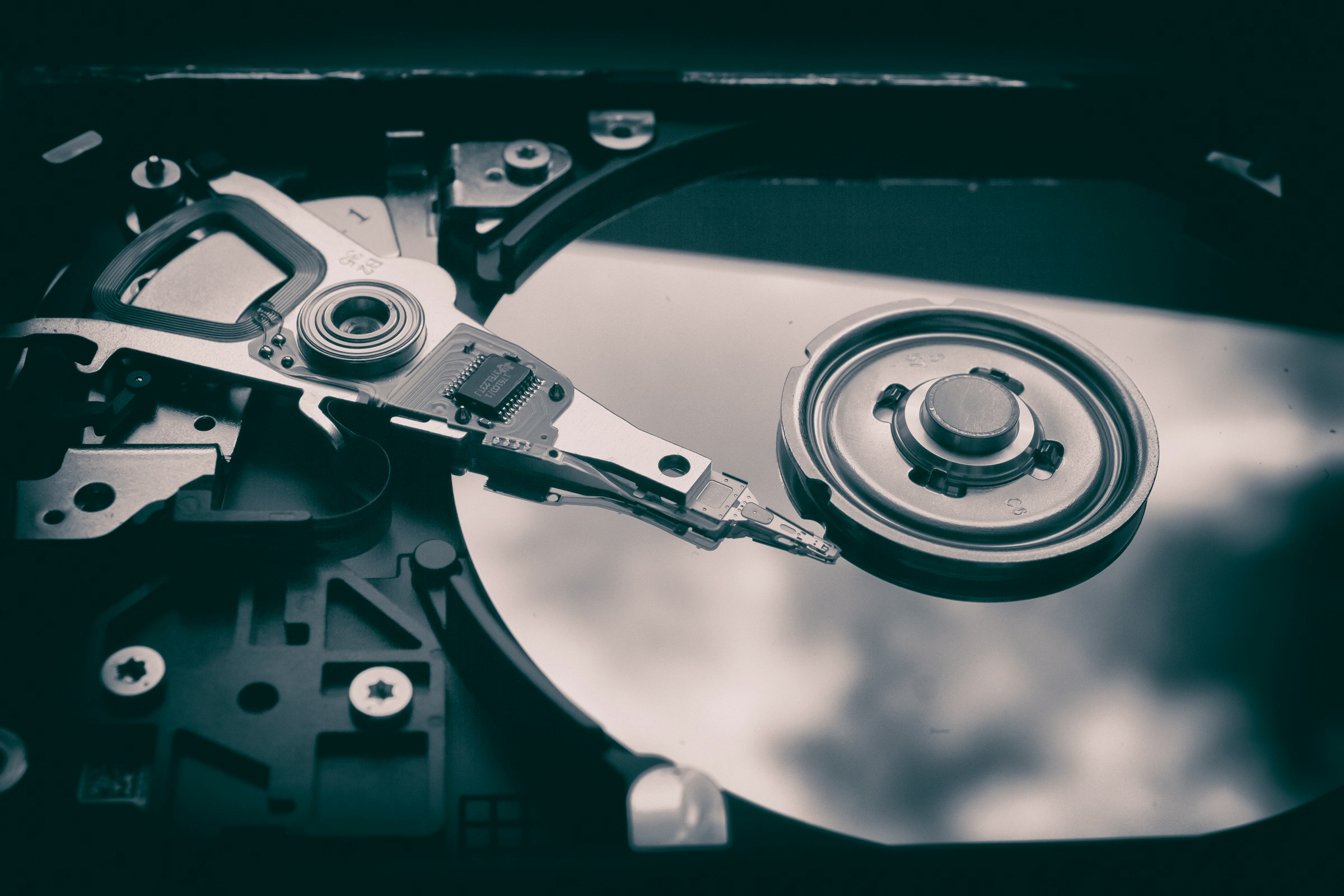
For physical equipment, authentic products typically use consistent materials, standardized screws, and branded internal components. Counterfeit versions may cut corners with lower-grade materials or mismatched internal parts.
However, opening devices to inspect internal components is not always practical — and in some cases, it voids warranties. This is where professional evaluation becomes important.
Understand the Risks Beyond the Device
The danger of fake tech goods goes beyond malfunction.
Counterfeit networking devices can contain malicious firmware. Fake storage drives may misrepresent capacity. Unauthorized software may include embedded malware. Compromised equipment can expose sensitive business data without immediate detection.
In industries that rely on data security, compliance, and operational continuity, this risk is unacceptable.
When Basic Checks Aren’t Enough
While these tips help you identify obvious red flags, modern counterfeits are becoming increasingly sophisticated. Some imitations pass visual inspection. Some even carry convincing documentation.
Determining authenticity at a deeper level may require:
- Firmware validation and integrity checks
- Network behavior analysis
- Hardware diagnostic testing
- Supply chain verification audits
This level of scrutiny goes beyond casual inspection.
Why Professional Verification Matters
When your business relies on technology — whether for media production, enterprise operations, public systems, or retail infrastructure — authenticity is not something to gamble with.
Professional evaluation ensures that hardware, software, and technical equipment meet manufacturer standards, comply with licensing requirements, and operate securely within your ecosystem.
Rather than risking downtime, data breaches, or financial loss, it is often wiser to involve experts who can validate, test, and certify your tech assets before they become critical dependencies.
The Bottom Line
Spotting fake tech goods starts with awareness — checking sources, verifying serial numbers, inspecting packaging, and monitoring performance.
But in a landscape where counterfeits are increasingly advanced, basic checks are only the first layer of defense.
Your technology is the backbone of your operations. Protecting it requires diligence, technical expertise, and sometimes a second set of experienced eyes.
When authenticity truly matters, it’s not just about spotting fakes — it’s about ensuring your entire system is built on verified, trusted foundations.






Leave a Reply