
The Checkout Counter Has Evolved — Has Your Store?
Walk into any serious retail store in 2026 and you’ll notice something immediately: the checkout process is smooth. Fast. Structured. Intentional. There’s no scribbling in notebooks. No mental calculations. No “let me check the back to confirm price.”
There’s a system.
By now, it’s no longer a debate. Every modern store — whether it’s a supermarket, boutique, pharmacy, electronics shop, restaurant, or neighborhood mini-mart — needs some form of Point of Sale (POS) system. If you’re still operating fully manually, you’re not just behind. You’re exposed.
Sales Without Structure Is Just Guesswork
Many store owners think they understand their business because they are present daily. They “know” which products sell. They “feel” when business is good. They “estimate” monthly profit.
But feelings don’t scale.
A POS system transforms every transaction into recorded intelligence. Each sale is logged. Each product movement is tracked. Each payment method is categorized. Instead of assumptions, you get clarity. Instead of guessing your best-selling item, you see it ranked. Instead of estimating revenue, you view exact numbers — daily, weekly, monthly.
This shift from intuition to data is where real retail growth begins.
Inventory Control Stops Being a Headache
Inventory is where many stores quietly lose money.
Products expire unnoticed. Stock runs out unexpectedly. Items disappear without explanation. Manual tracking makes it nearly impossible to detect patterns early.
A proper POS system changes that dynamic. Every sale automatically adjusts stock levels. Low inventory alerts notify you before shelves go empty. Historical sales data helps you predict demand. You stock smarter, not harder.
Over time, this reduces waste, prevents lost sales, and protects your margins.
Speed Improves Customer Experience
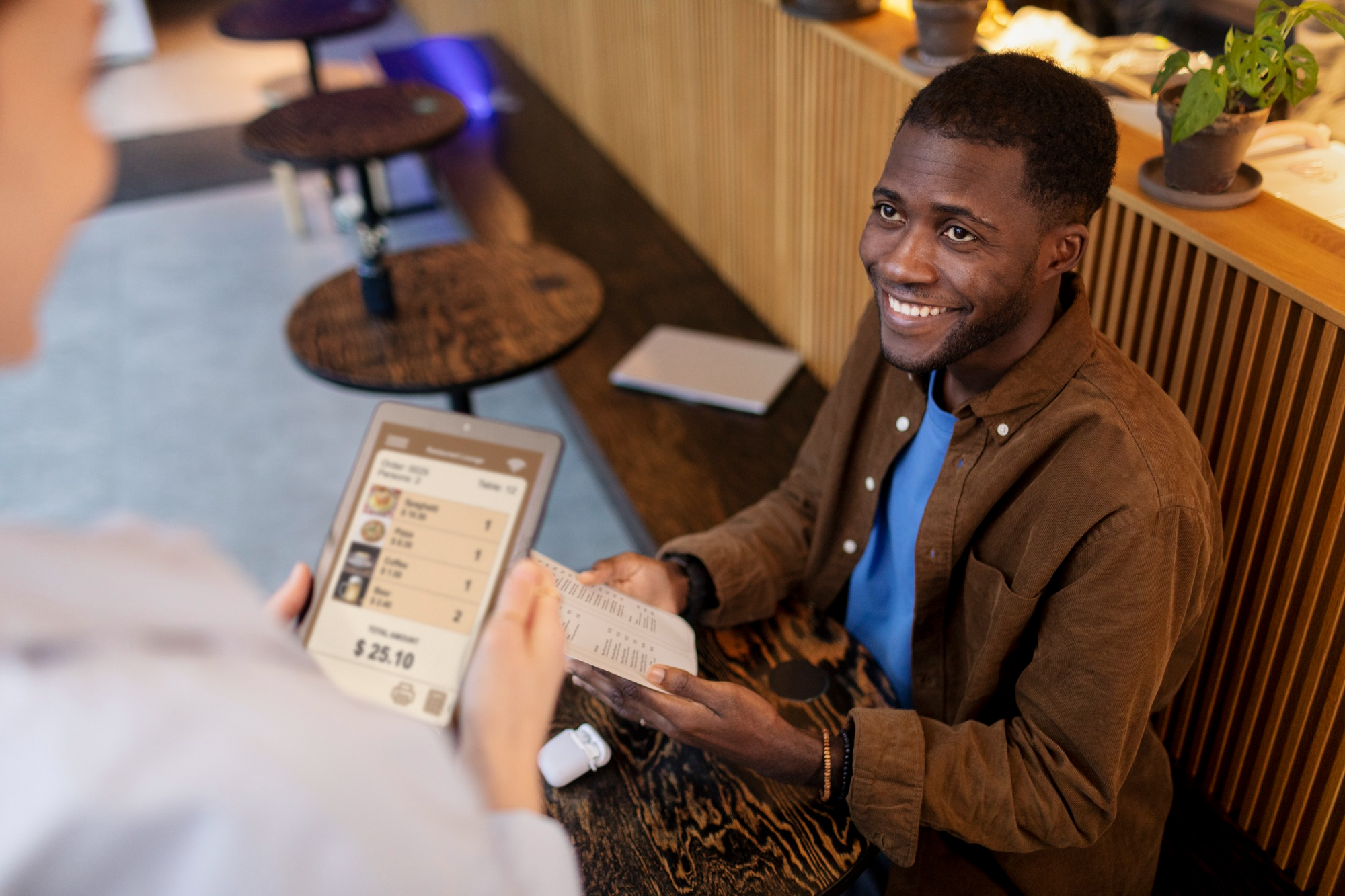
Modern customers expect efficiency. Long checkout lines and slow calculations feel outdated in a world where people can order online in seconds.
A POS system accelerates transactions. Barcode scanning replaces manual price entry. Digital receipts are sent instantly. Multiple payment options — cash, card, transfer, mobile — integrate seamlessly.
What seems like a small upgrade at the counter significantly improves how customers perceive your brand. Fast service builds loyalty. Friction pushes customers elsewhere.
Security and Accountability Increase
Cash-heavy environments without digital tracking create risk. Errors are harder to trace. Discrepancies are difficult to explain. Internal theft can go unnoticed.
With a structured POS system, every transaction is recorded with timestamps and user access logs. Staff permissions can be defined. Refunds and discounts are tracked transparently. End-of-day reconciliation becomes straightforward instead of stressful.
This isn’t about suspicion. It’s about protection — for your business and your team.
Multi-Branch Growth Becomes Possible
If you ever plan to expand beyond one location, a POS system is no longer optional.
Managing multiple branches manually creates chaos. But with a centralized POS platform, you can monitor performance across locations in real time. Compare sales. Track inventory movement. Identify which branch performs best and why.
Growth without systems creates complexity. Growth with systems creates control.
Data Becomes Your Competitive Advantage
Retail is no longer just about stocking shelves. It’s about understanding behavior.
A good POS system shows you peak shopping hours, preferred payment methods, seasonal trends, and customer purchase frequency. With that knowledge, you can design promotions intelligently, optimize staffing schedules, and align purchasing decisions with real demand.
This is how small stores compete with large chains — through precision.
The Real Question Isn’t “Do You Need One?”
By 2026, the conversation has shifted. The real question is not whether you need a POS system. It’s whether the one you’re using truly supports your goals.
Generic, limited systems may handle transactions, but they may not support scalability, analytics, integration, or customization. Your store is unique. Your workflow is specific. Your growth ambitions are personal.
A well-designed POS solution should adapt to your operations — not force you into rigid processes.
One Smart Upgrade Away
If you’ve felt overwhelmed by manual tracking, unsure about your real profit margins, or constrained by operational inefficiencies, you’re not alone.
But you are also not stuck.
The difference between a struggling store and a thriving one often lies in the systems behind the counter.
By now, it’s clear: every serious store needs a POS system. The only thing left is choosing one built not just for today’s transactions — but for tomorrow’s growth.





Leave a Reply