From Server Rooms to the Sky: Understanding Cloud Computing
To understand cloud computing properly, we have to travel back a little — not too far, just to a time when “the cloud” wasn’t part of everyday tech vocabulary.
Imagine you’re running a growing company in the early 2000s. You need a website. You need internal software. You need storage for documents, customer data, maybe emails. Where does all of that live?
In your building.
Traditional computing meant owning and managing physical servers on-site. These were real machines — large metal boxes stored in a dedicated room, often called a server room or data center. They had to be powered on 24/7. They needed cooling systems to prevent overheating. They required backup power in case electricity failed. And they demanded skilled IT staff to maintain them.
If your business grew and traffic increased, you didn’t just “upgrade a plan.” You bought more hardware. More racks. More cables. More storage drives. You predicted how much capacity you might need for the next few years and invested upfront. If you overestimated, you wasted money. If you underestimated, your systems slowed down or crashed.
This model worked — but it was expensive, rigid, and difficult to scale quickly.
The Problem with Always-On Infrastructure
Traditional on-site servers had another hidden inefficiency. Most of the time, they weren’t operating at full capacity.
Think about it. A company website might experience heavy traffic during a product launch, but remain relatively quiet on normal days. Yet the servers had to be powerful enough to handle peak demand at all times. That means expensive equipment sat underutilized for large portions of the year.
It’s like buying ten generators because you might need them once a year — and then letting nine of them sit idle most of the time.
For small and medium businesses especially, this created a barrier. Access to strong computing power required serious capital investment. Innovation was limited by hardware budgets.
Enter the Cloud: Same Resources, Different Location
Now here’s where the shift begins.
Instead of hosting servers inside your own building, what if those computing resources — storage, processing power, networking — lived somewhere else? Somewhere purpose-built. Somewhere larger. Somewhere optimized for efficiency.
That is the essence of cloud computing.
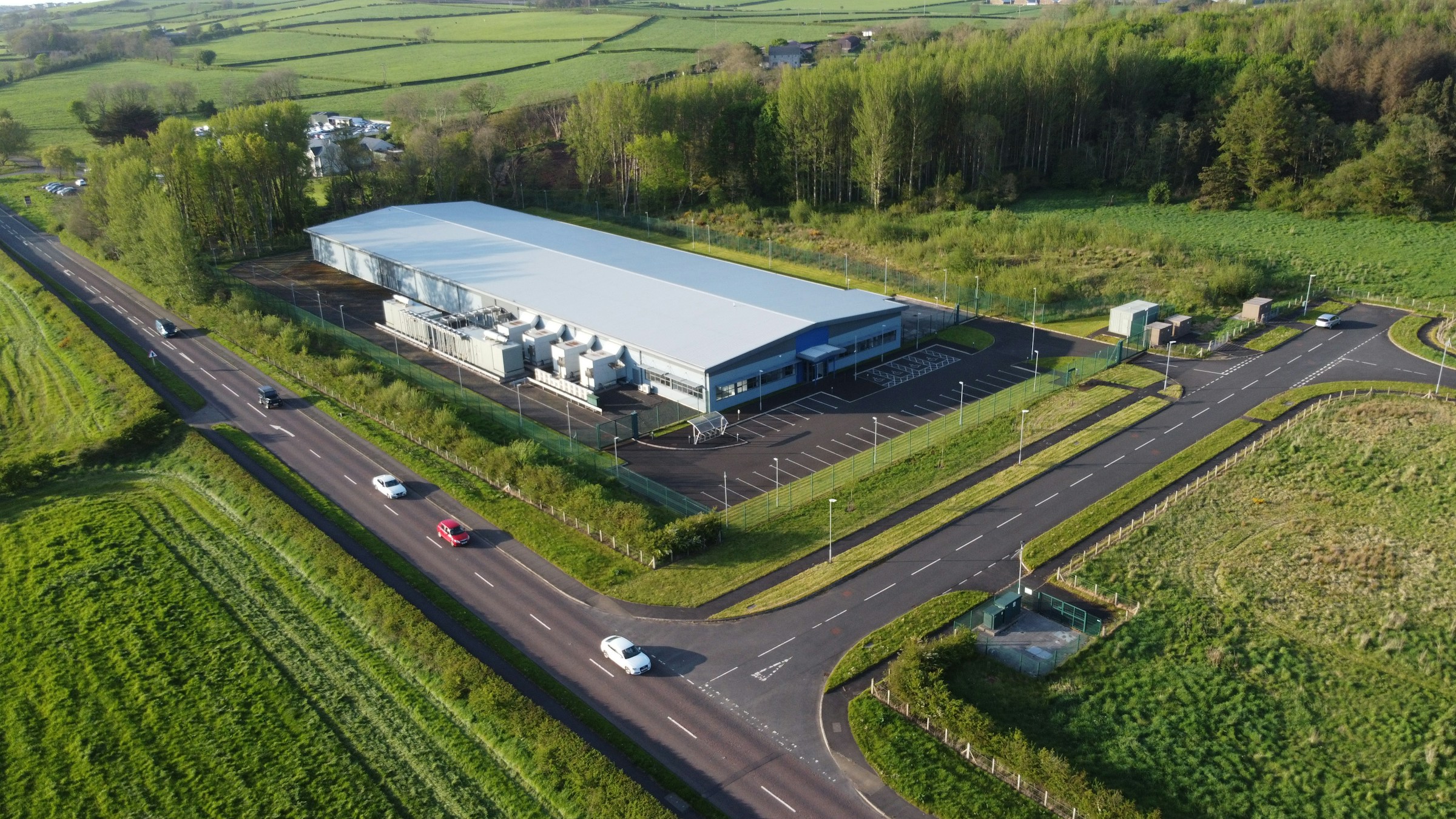
Cloud computing simply moved the core computing resources from individual on-site servers to massive, centralized data centers operated by specialized providers. These data centers house thousands of powerful machines, distributed across multiple locations, designed for reliability and scale.
When you use the cloud, you are not removing servers from existence. You are renting space and power on someone else’s highly capable infrastructure.
Instead of buying and maintaining your own server, you access computing power over the internet. You request storage. You deploy applications. You scale up or down as needed.
The “cloud” is not a mysterious object in the sky. It is a network of professionally managed data centers delivering computing resources on demand.
The Revolution of Cost and Scale
This idea became truly transformative when companies began offering it as a flexible, pay-as-you-go service.
One of the major pioneers in this space was Amazon Web Services (AWS). Originally built to support Amazon’s own massive online retail operations, AWS evolved into a platform that allowed other businesses to access the same level of infrastructure — without owning it.
Instead of investing heavily upfront, companies could now:
- Launch a server in minutes
- Pay only for the storage and computing they used
- Increase capacity instantly during traffic spikes
- Reduce capacity during slow periods to save cost
This was revolutionary.
A startup no longer needed a physical server room to compete. A small development team could deploy applications globally. An e-commerce platform could handle sudden viral traffic without collapsing.
Scalability became elastic. Infrastructure became flexible. Innovation became accessible.
A Simple Story to Tie It Together
Think of traditional computing like owning a private power generator for your house. You buy it. You maintain it. You fuel it. You fix it when it breaks.
Cloud computing is more like connecting to a national power grid. You don’t see the generators. You don’t maintain them. You simply use electricity when you need it and pay for what you consume.
The power still exists. The difference is ownership, management, and flexibility.
Today, cloud computing powers everything from streaming services and mobile apps to government platforms and enterprise systems. It supports startups and multinational corporations alike.
For learners in tech, understanding this shift is foundational. Cloud computing is not just a trend — it is the backbone of modern digital infrastructure.
At its core, cloud computing is about moving from rigid, location-bound hardware ownership to flexible, internet-delivered infrastructure. It reduces upfront cost, improves scalability, enhances reliability, and accelerates deployment.
And once you understand that journey — from the server room in the corner of an office building to vast distributed data centers across the globe — the cloud stops being abstract.
It becomes simply what it is: computing, delivered smarter.







Leave a Reply